Elevate Your Therapy and Guide Your Clients to Inner Healing with Our Hoarding Disorder Coping Skills! ✨
1. Recognizing Hoarding Behaviors
- Take deep breaths and practice mindfulness to stay grounded and aware of your emotions and thoughts.
- Create a daily routine to provide structure and stability in your life, reducing the likelihood of engaging in hoarding behaviors.
- Engage in regular physical exercise to release tension and boost mood, promoting overall well-being.
- Practice gratitude by reflecting on the things you are thankful for, shifting focus away from material possessions.
- Seek social support from friends, family, or support groups to share experiences and receive encouragement.
- Challenge perfectionism by accepting imperfections and mistakes, embracing progress over perfection.
- Limit exposure to hoarding triggers such as shopping or browsing online, redirecting attention to healthier activities.
- Utilize distraction techniques such as engaging in hobbies or activities you enjoy to redirect focus away from hoarding urges.
- Develop problem-solving skills to address underlying issues contributing to hoarding behaviors, seeking professional help if needed.
- Practice relaxation techniques before making decisions about acquiring or discarding items to reduce impulsivity.
- Utilize positive reinforcement by rewarding yourself for progress made in decluttering and maintaining an organized space.
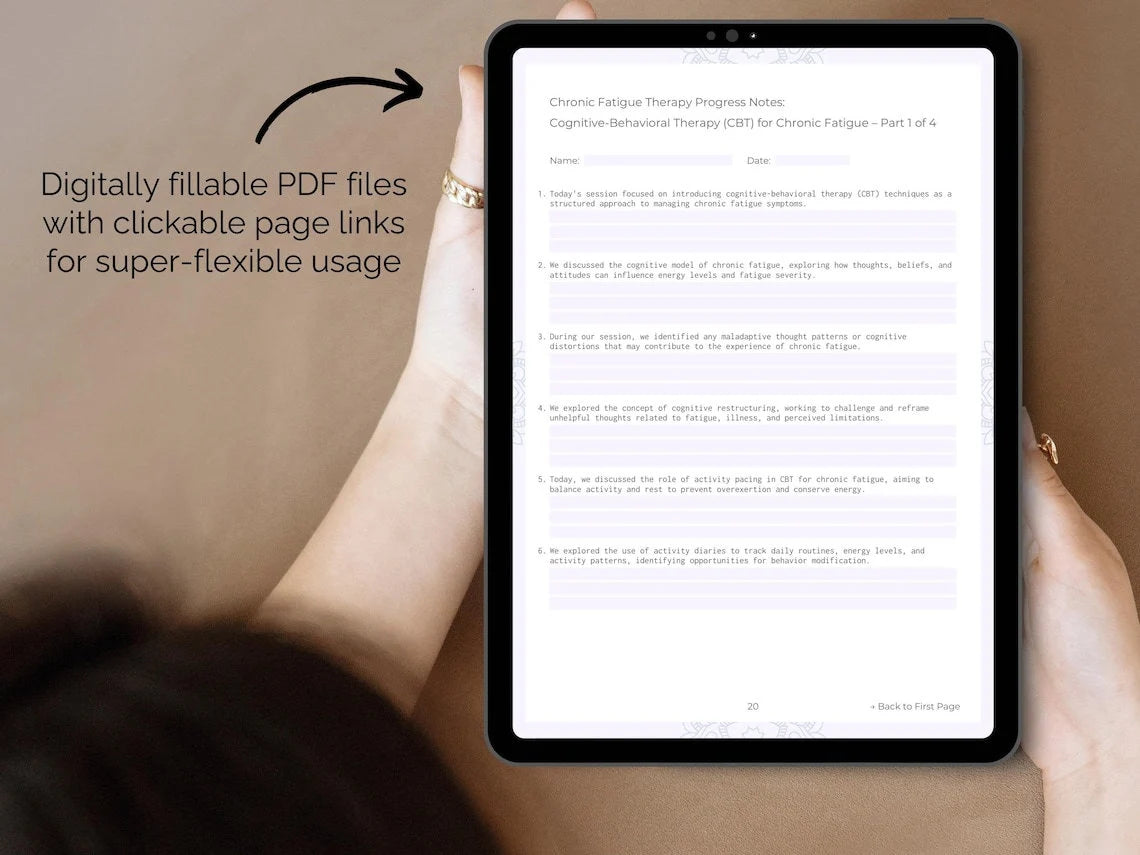
Need more? Find all 500+ Coping Skills for Hoarding Disorder Therapy in our Digital Workbook!
2. Motivation for Change
- Reflect on your values and goals in life, considering how hoarding behaviors may be hindering your ability to live in alignment with them.
- Identify the negative consequences of hoarding on your physical health, relationships, and overall well-being, fueling your desire for change.
- Educate yourself about hoarding disorder and its impact on individuals and families, gaining a deeper understanding of the need for change.
- Seek inspiration from success stories of individuals who have overcome hoarding disorder, realizing that change is possible with dedication and effort.
- Set specific, achievable goals related to decluttering and organizing, breaking them down into manageable steps to maintain motivation.
- Keep a journal to track progress, celebrate successes, and reflect on challenges, staying accountable to your goals.
- Engage in activities that bring joy and fulfillment outside of acquiring and saving possessions, cultivating a sense of purpose beyond material belongings.
- Utilize cognitive-behavioral techniques such as thought challenging and cognitive restructuring to shift perspective and motivation for change.
- Utilize rewards and incentives to reinforce progress and maintain motivation throughout the decluttering process.
- Engage in activities that promote self-care and well-being, prioritizing your physical, emotional, and mental health.
- Challenge the notion of attachment to possessions by exploring alternative sources of comfort and security in your life.
Need more? Find all 500+ Coping Skills for Hoarding Disorder Therapy in our Digital Workbook!
3. Setting Realistic Decluttering Goals
- Begin by assessing your current living environment and identifying areas that require decluttering, focusing on one small area at a time to avoid feeling overwhelmed.
- Break larger decluttering tasks into smaller, more manageable steps, allowing yourself to make gradual progress without feeling discouraged.
- Allocate dedicated time for decluttering each day or week, scheduling sessions that fit into your existing routine and lifestyle.
- Utilize a timer to structure decluttering sessions and prevent burnout, taking regular breaks to rest and recharge as needed.
- Practice decision-making skills by sorting items into categories such as keep, donate, recycle, or discard, making choices based on your decluttering goals and criteria.
- Utilize the "Four-Box Method" or similar decluttering strategies to systematically sort through possessions and make informed decisions about what to keep and what to let go of.
- Celebrate small victories and milestones in decluttering, recognizing and rewarding yourself for progress made towards your goals.
- Stay flexible and adaptable in your approach to decluttering, adjusting goals and strategies as needed to overcome obstacles and challenges.
- Focus on the positive outcomes of decluttering, such as increased space, improved organization, and reduced stress, to stay motivated and committed to your goals.
- Practice gratitude for the opportunity to declutter and simplify your life, appreciating the benefits of letting go of excess possessions.
- Recognize and challenge perfectionistic tendencies that may hinder progress in decluttering, embracing progress over perfection.
Need more? Find all 500+ Coping Skills for Hoarding Disorder Therapy in our Digital Workbook!
4. Managing Emotional Attachments to Items
- Begin by acknowledging and validating your emotional attachments to items, recognizing that these feelings are natural and understandable.
- Identify the specific emotions and memories associated with items that trigger strong attachments, allowing yourself to explore and process these feelings.
- Engage in mindfulness practices to stay present and aware of your emotions without judgment or attachment, allowing yourself to observe and accept them.
- Utilize relaxation techniques such as deep breathing or progressive muscle relaxation to manage anxiety or distress that may arise when considering letting go of items.
- Seek support from a therapist or support group specializing in hoarding disorder to receive guidance, encouragement, and validation in managing emotional attachments.
- Practice gratitude for the positive memories associated with items, focusing on the experiences they represent rather than the physical objects themselves.
- Engage in meaningful activities or experiences that foster emotional connections and fulfillment, shifting focus away from material possessions.
- Challenge the fear of regret associated with letting go of items by considering the potential regret of holding onto them and the freedom that comes with decluttering.
- Set boundaries with yourself regarding the acquisition of new items, considering whether they truly align with your values and bring genuine joy or fulfillment.
- Seek validation and support from loved ones who understand and respect your journey towards managing emotional attachments to items, fostering a supportive environment.
- Practice self-care and nurturing behaviors to soothe yourself during moments of emotional distress or vulnerability, recognizing the importance of self-compassion in the process.
Need more? Find all 500+ Coping Skills for Hoarding Disorder Therapy in our Digital Workbook!
5. Maintaining a Decluttered Space
- Begin by establishing a daily or weekly cleaning routine to maintain order and cleanliness in your living space, preventing clutter from accumulating over time.
- Practice the "one-touch" rule, where items are put away immediately after use rather than being left out to accumulate and create clutter.
- Regularly declutter and purge items that are no longer needed, wanted, or used, preventing unnecessary accumulation and maintaining a clutter-free environment.
- Set boundaries with yourself and others regarding what items are allowed in your living space, preventing unnecessary clutter from entering and accumulating.
- Practice mindfulness during daily activities such as cooking, cleaning, or getting ready, staying present and focused on the task at hand to prevent clutter from accumulating.
- Set specific goals for maintaining a clutter-free environment, such as designating one day each month for a thorough cleaning and decluttering session.
- Engage in regular maintenance tasks such as dusting, vacuuming, and tidying up to keep your living space clean, organized, and clutter-free.
- Utilize technology such as smartphone apps or reminders to help you stay on track with cleaning and organizing tasks, maintaining consistency and accountability.
- Celebrate achievements and milestones in maintaining a decluttered space, recognizing and acknowledging your efforts and commitment to a clutter-free lifestyle.
- Reflect on the benefits of maintaining a decluttered space, such as reduced stress, increased productivity, and improved overall well-being, to stay motivated and committed to the process.
- Practice gratitude for your decluttered space and the positive impact it has on your life, fostering a sense of appreciation and contentment with your living environment.
Need more? Find all 500+ Coping Skills for Hoarding Disorder Therapy in our Digital Workbook!
6. Enhancing Daily Living Skills
- Begin by setting realistic and achievable goals for enhancing daily living skills, breaking them down into manageable steps to foster success and motivation.
- Utilize a planner, calendar, or smartphone app to organize and schedule daily tasks and activities, helping you stay on track and manage your time effectively.
- Practice time management skills to maximize productivity and efficiency in completing daily tasks, setting time limits for each activity and minimizing distractions.
- Break tasks down into smaller steps and focus on one task at a time to prevent feeling overwhelmed and improve concentration and focus.
- Seek out resources and support services in your community to assist with daily living tasks, such as meal delivery services, transportation options, or home health aides.
- Utilize cognitive restructuring techniques to challenge negative or self-defeating thoughts about your abilities to perform daily tasks, replacing them with more positive and empowering beliefs.
- Establish a support network of friends, family members, or support group members who can offer assistance, encouragement, and guidance in improving daily living skills.
- Set aside dedicated time each day for self-reflection and evaluation of your daily living skills, identifying areas for improvement and setting goals for growth.
- Seek out professional guidance and assistance from therapists, counselors, or occupational therapists specializing in hoarding disorder to address specific challenges or difficulties in performing daily tasks.
- Utilize visualization techniques to imagine yourself successfully completing daily tasks and overcoming obstacles, reinforcing positive beliefs and attitudes about your abilities.
- Practice assertiveness skills to communicate your needs and preferences effectively in daily interactions and activities, advocating for yourself and your well-being.
Need more? Find all 500+ Coping Skills for Hoarding Disorder Therapy in our Digital Workbook!
7. Establishing Healthy Habits
- Begin by setting specific and achievable goals for establishing healthy habits, focusing on behaviors that promote physical, emotional, and mental well-being.
- Prioritize self-care activities such as exercise, relaxation techniques, and hobbies that bring you joy and fulfillment, nurturing your physical and emotional well-being.
- Establish boundaries with yourself and others to protect your time, energy, and well-being, communicating assertively about your needs and limits.
- Practice gratitude for the opportunities and resources available to you to establish healthy habits, recognizing and appreciating the positive aspects of your life.
- Utilize visualization techniques to imagine yourself successfully establishing and maintaining healthy habits, reinforcing positive beliefs and attitudes about your ability to change.
- Seek out professional guidance and assistance from therapists, counselors, or health professionals who can provide support and resources in establishing healthy habits.
- Practice stress management techniques such as deep breathing, progressive muscle relaxation, or meditation to reduce stress and promote relaxation.
- Seek out opportunities for learning and skill-building in areas related to healthy habits, such as nutrition, exercise, stress management, or self-care.
- Set aside dedicated time each day for self-reflection and evaluation of your progress in establishing healthy habits, identifying areas for improvement and setting goals for growth.
- Practice patience and persistence in establishing healthy habits, recognizing that change takes time and effort and that setbacks are a natural part of the process.
- Seek out opportunities for social connection and support to combat feelings of loneliness or isolation, fostering a sense of belonging and community.
Need more? Find all 500+ Coping Skills for Hoarding Disorder Therapy in our Digital Workbook!
8. Engaging in Stress Reduction Techniques
- Begin by acknowledging the presence of stress in your life and the importance of actively managing it for your well-being.
- Engage in progressive muscle relaxation techniques, systematically tensing and relaxing different muscle groups to release physical tension and promote relaxation.
- Practice mindfulness meditation to stay present and grounded in the moment, observing thoughts and sensations without judgment or attachment.
- Practice journaling as a tool for processing and releasing stress, writing about your thoughts, feelings, and experiences to gain clarity and perspective.
- Listen to calming music or nature sounds to soothe the mind and body, creating a peaceful and tranquil atmosphere conducive to stress reduction.
- Seek out social support from friends, family members, or support groups, sharing your feelings and experiences with trusted individuals who can offer empathy and understanding.
- Set boundaries with yourself and others to protect your time and energy, recognizing and respecting your limits in order to prevent burnout and exhaustion.
- Seek out opportunities for laughter and humor, watching funny movies, reading humorous books, or spending time with playful and lighthearted individuals to boost your mood and perspective.
- Practice reframing negative or pessimistic thoughts into more positive and adaptive perspectives, challenging cognitive distortions and promoting resilience in the face of stressors.
- Seek out opportunities for learning and personal growth, such as taking classes, attending workshops, or pursuing hobbies, to foster a sense of purpose and fulfillment in life.
- Seek out professional help from a therapist or counselor if stress becomes overwhelming or persistent, receiving guidance and support in developing coping strategies and resilience.
Need more? Find all 500+ Coping Skills for Hoarding Disorder Therapy in our Digital Workbook!
9. Celebrating Achievements and Progress
- Begin by acknowledging and recognizing your achievements and progress, no matter how small or incremental they may seem.
- Set aside dedicated time to celebrate your achievements and progress, whether it's through a special activity, treat, or ritual that holds personal significance for you.
- Create a visual reminder of your achievements and progress, such as a progress chart, vision board, or journal, to reflect on and celebrate your journey over time.
- Set specific goals for celebrating achievements and progress, such as reaching a certain milestone, completing a challenging task, or overcoming a personal obstacle.
- Reflect on the lessons learned from your achievements and progress, identifying strengths, strategies, and insights that you can carry forward into future endeavors.
- Share your achievements and progress with others in your support network, such as friends, family members, or support group members, to inspire and encourage them on their own journeys.
- Create a tradition or ritual for celebrating your achievements and progress, such as writing yourself a congratulatory letter, treating yourself to a special outing, or hosting a small gathering with loved ones.
- Reflect on the personal growth and development you have experienced as a result of your achievements and progress, recognizing the positive changes and transformations within yourself.
- Celebrate the resilience and perseverance you have demonstrated in overcoming challenges and obstacles on your journey towards achieving your goals.
- Create a gratitude practice to regularly acknowledge and appreciate your achievements and progress, cultivating a mindset of positivity and abundance in your life.
- Reflect on the personal values and priorities that have guided you in pursuing your achievements and progress, recognizing the alignment between your actions and your core beliefs.
Need more? Find all 500+ Coping Skills for Hoarding Disorder Therapy in our Digital Workbook!
10. Continuing Care and Preventing Relapse
- Regularly attend therapy sessions or support groups to continue working on underlying issues and maintaining progress made in hoarding disorder recovery.
- Engage in ongoing self-monitoring and self-reflection to stay aware of thoughts, feelings, and behaviors related to hoarding tendencies and address them proactively.
- Stay connected with your support network, including friends, family members, and support group peers, for encouragement, accountability, and assistance during difficult times.
- Set boundaries with yourself and others to protect your progress and well-being, recognizing and respecting limits in order to prevent relapse and maintain stability.
- Seek out professional help or support as needed if you experience challenges or setbacks in maintaining recovery from hoarding disorder, receiving guidance and assistance to address concerns promptly.
- Address underlying emotional issues or trauma that may contribute to hoarding behaviors, seeking therapeutic interventions such as cognitive-behavioral therapy (CBT) or exposure therapy.
- Practice decision-making skills to evaluate belongings objectively and make informed choices about what to keep, donate, or discard, reducing the likelihood of hoarding tendencies resurfacing.
- Develop healthy routines and habits related to shopping, acquiring new possessions, and managing finances to prevent impulsivity and excessive accumulation of belongings.
- Practice self-compassion and kindness towards yourself as you navigate the challenges of maintaining recovery from hoarding disorder, recognizing that progress takes time and effort.
- Stay informed about hoarding disorder and its treatment options, seeking out resources, education, and support to empower yourself in maintaining recovery and preventing relapse.
- Develop healthy coping mechanisms and stress management strategies to address underlying emotional needs and triggers without resorting to hoarding behaviors.
We hope that our coping skills for Hoarding Disorder therapy will help you to elevate your therapy practice and guide your clients to inner healing! Do you need more coping skills for Hoarding Disorder therapy? Find them all in our Digital Workbook! Or do you have any questions or suggestions for us? Please feel free to contact us at any time!